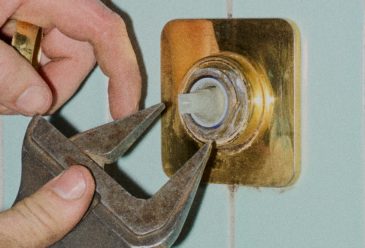
Plumbing emergencies are any issues that create a sudden threat to your property, safety, or essential services. So, water that’s escaping uncontrollably, sewage that’s backing up, or a suspected gas leak. These are all situations that can’t safely wait for a standard repair appointment.
The first step is reducing risk before repairs. If water is leaking, shut off the water (fixture valve if possible, otherwise the main). If there’s water near electrical points or fittings, avoid switches and power and keep people out of that area. If sewage is backing up, stop using all fixtures to prevent more overflow; no one wants overflowing drains.
Then contain what you safely can. Use towels/buckets, move valuables, and take quick photos. After the situation is stabilised as much as possible, call a licensed plumber (and in gas situations, the gas emergency number on your bill) for urgent assistance.
What counts as a plumbing emergency vs a plumbing problem that can wait?
Situation | Risk level | Can you wait? | First action |
Burst pipe / major leak | High | No | Shut off the water main |
Water leaking from the ceiling / sagging ceiling | High | No | Isolate water (if suspected), avoid electrics |
Sewage overflow/sewer backing up | High | No | Stop using all fixtures, isolate the area |
Overflowing toilet that won’t stop | High | No | Shut off the toilet isolation valve/water main |
House-wide loss of water pressure / no water | Medium–High | Sometimes | Check if street issue; contact water authority if needed |
Hot water system is actively leaking/tripping the power | High | No | Keep clear of hot surfaces; isolate water/power if safe |
Suspected gas leak | Critical | No | Avoid switches/flames; call the gas emergency line |
Single slow drain (no overflow) | Low–Medium | Often | Stop using that fixture; book a plumber |
What are the fastest ways to tell it is urgent?
- Active water flow you can’t stop (or it returns immediately)
- Water near power (power points, light fittings, switch plates, appliances)
- Sewage overflow or foul water coming up from drains/toilets
- Gas smell or suspected gas leak
- Ceiling sagging or bulging plaster (collapse risk)
- Sudden house-wide pressure drop (multiple taps affected at once)
What should you do immediately during plumbing emergencies?
- Stop using the fixture(s) involved.
- Shut off water at the closest safe valve (fixture isolation valve), or the water main if needed.
- Keep away from electrics in any wet area; keep people and pets out of affected rooms.
- Contain and protect: buckets, towels, and moving valuables; don’t lift soaked carpets into power areas.
- Document: take photos/video of the leak/overflow and affected areas.
- Call a licensed plumber, water authority (street-side supply faults), or gas emergency line.
When should you shut off the water main?
Shut off the water main when you have:
- An active leak you can’t stop at the fixture valve
- A burst pipe
- An overflowing fixture that won’t stop filling
- A suspected leaky pipe behind a wall where water is spreading quickly
What electrical safety steps matter if there’s water on walls, ceilings, or floors?
- Don’t touch switches or wall plates in the affected area.
- Don’t unplug appliances unless you can do it safely without standing in water or touching wet surfaces.
- Keep people out of the room and block access if needed.
When is it a gas safety emergency, not just a plumbing issue?
- Don’t use switches, phones near the leak source, or open flames
- Ventilate if safe (open doors/windows)
- Shut off the gas at the meter if safe to access
- Call the emergency number on your gas bill (and then a licensed plumber/gasfitter, if advised)
Quick triage table: which plumbing emergencies need immediate action right now?
Emergency type | Immediate risk | Shut off water or gas? | Stop using which fixtures | Who to call first |
Burst pipe/major leak | Rapid flooding, structural damage | Water main | All water fixtures | Licensed plumber |
Ceiling leak/sagging | Collapse + electrical risk | Water main (if plumbing suspected) | Upstairs bathrooms/laundry | Licensed plumber (and electrician if needed) |
Sewage overflow | Contamination, illness risk | Water main (to prevent more flow) | All fixtures | Licensed plumber |
Overflowing toilet won’t stop | Flooding + contamination | Toilet valve/water main | Toilet + nearby taps | Licensed plumber |
No water/major pressure drop | Loss of essential service | Usually no | N/A | Water authority if street fault; plumber if internal |
Hot water system leaking | Flooding + scalding + power risk | Water main; power if safe | Hot water system | Licensed plumber |
Suspected gas leak | Fire/explosion risk | Gas meter (if safe) | Gas appliances | Gas emergency line |
Hidden active leak | Ongoing damage, mould, and electrical risk | Water main (if active) | Any fixture triggering a leak | Licensed plumber |
Emergency 1: Burst pipe or major water leak
A burst pipe causes rapid water damage, often spreading into walls, floors, and ceilings before it’s fully visible.
Immediate steps:
- Shut off the water main
- Open taps to relieve pressure
- Contain water with buckets/towels
- Move valuables away from affected areas
- Take photos of the leak and spread
What should you do in the first 5 minutes?
- Shut off the water
- Relieve pressure through taps
- Protect electrics
- Contain water
- Document damage
What not to do
- Don’t ignore the leak “temporarily”
- Don’t overtighten fittings
- Don’t use tape as a permanent fix
- Don’t cut into walls blindly
Emergency 2: Water leaking from the ceiling or a sagging ceiling
Ceiling leaks may indicate a burst pipe, roof leak, or upstairs overflow. They are urgent due to the risk of collapse and electrical hazards.
To reduce damage, place a bucket underneath, avoid light fittings, and shut off water if plumbing is suspected.
Emergency 3: Sewage overflow or blocked sewer backup
Sewage backups are a serious health risk and can spread quickly. Stop using all water immediately if this occurs.
Signs include multiple fixtures backing up, gurgling toilets, or outside gully overflow.
Emergency 4: Overflowing toilet that won’t stop
An overflowing toilet can flood a room within minutes. Turn off the isolation valve behind the toilet or the water main if it won’t stop.
Common causes include blockages, faulty fill valves, or sewer restrictions.
Emergency 5: No water or major pressure loss
If the whole house loses water, it may be a supply issue or a main failure. Check multiple taps, ask neighbours, and inspect the water meter. If it’s widespread, contact your water authority.
Emergency 6: Hot water system leak or abnormal discharge
Hot water system issues can turn into plumbing emergencies due to scalding risk, flooding, or electrical faults. Shut off the water if it’s leaking and avoid touching hot components.
Emergency 7: Suspected gas leak
Gas leaks are very serious. Avoid switches and flames, ventilate if safe, shut off gas at the meter if possible, leave the area, and call the emergency gas number immediately.
Emergency 8: Hidden leak behind walls or floors
Hidden leaks can cause a lot of damage even without visible water. Signs include damp patches, mould, swelling of skirting boards, and unexplained water usage.
Check your water meter and document all visible symptoms before calling a plumber.
What information helps a plumber respond faster?
- Location and severity of the issue
- When it started and what triggers it
- Photos/videos of damage
- Water meter activity
- Access details (pets, entry points, building level)
- Whether water or gas has been shut off
After the emergency: what to document
Take photos before cleanup, record a timeline of events, list affected areas, and note actions taken (like shutting off water). Keep receipts and service records for insurance or strata.
How can you prevent plumbing emergencies?
Prevention comes down to early maintenance. Replace ageing hoses, fix small leaks early, monitor pressure changes, and keep drains and gutters clear. Small issues caught early are less likely to become plumbing emergencies.
FAQs
What are the most common plumbing emergencies in Australian homes?
Burst pipes, toilet overflows, sewage backups, ceiling leaks, and hot water system failures are the most common.
Is a blocked drain a plumbing emergency?
Only if it causes overflow or affects multiple fixtures. A slow single drain is usually not urgent but should be monitored.
Should I turn off the water main for every leak?
No. Use fixture valves for minor leaks. Turn off the main for fast, uncontrolled, or hidden leaks.
What if water is near electricity?
Treat it as dangerous. Avoid switches, keep distance, isolate water if safe, and call a plumber (and electrician if needed).
Who do I call for a gas leak?
Call the emergency number on your gas bill immediately, then follow safety instructions until help arrives.